What it is
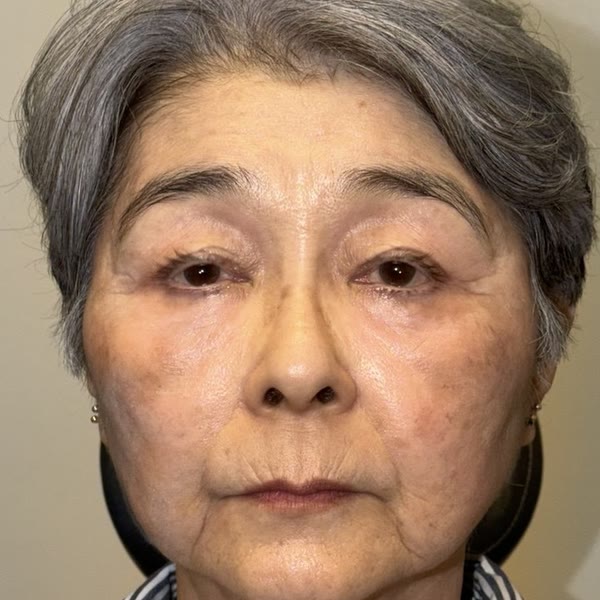
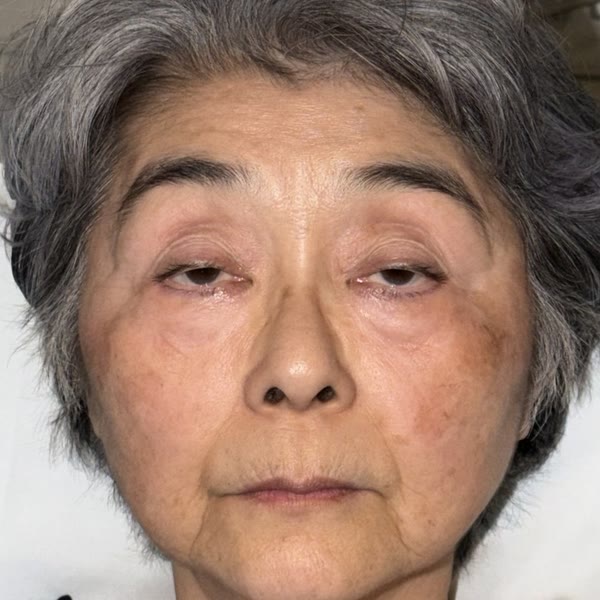
Each upper eyelid is lifted by a muscle called the levator, which attaches to the lid through a thin tendon. When that tendon stretches or detaches — from age, contact-lens wear, prior eye surgery, or, less often, a congenital or neurological cause — the lid sits too low. This is ptosis (blepharoptosis). Repair re-establishes the connection so the lid opens to a normal, symmetric height.
Ptosis vs. excess skin
Ptosis is frequently mistaken for “hooded” eyes. The two are different: ptosis is a low lid margin, while hooding is loose skin folding over a normally-positioned lid. They often coexist, and correcting one without the other leaves the eye looking only half-treated. A key part of the exam is measuring the lid margin and levator function to tell them apart — and, when both are present, combining ptosis repair with upper blepharoplasty.
Who is a candidate?
- An upper lid that sits low, covers part of the colored iris, or looks asymmetric to its partner.
- A sense of needing to raise the brow or tilt the head to see.
- One eye that looks smaller, sleepier, or less open than the other.
- Adequate levator function on measurement, and good eye-surface health.
The technique
There are two well-established routes. An external (anterior) approach advances or tightens the levator tendon through an incision hidden in the lid crease — versatile, and easily combined with skin removal. An internal (posterior) approach tightens the lid from the conjunctival side with no external incision, well suited to milder ptosis with good levator function. Height and contour are set by careful intra-operative measurement and, where appropriate, adjusted with the patient responsive.
Recovery timeline
Already scheduled? The patient guide walks every step day by day — what to stop and when, what to have ready, and when to call us.
Often combined for a refreshed eye
In an aesthetic plan, raising the lid is rarely done in isolation. Dr. Karlin frequently pairs a measured ptosis correction with upper blepharoplasty and micro fat grafting, so the eye is not only more open but better supported and rested. The goal is symmetry and an awake, natural eye — never a startled one.
Cost
A consultation with Dr. Karlin is $500. Because every plan is customized — built around your anatomy and often combining more than one procedure — the cost of surgery is discussed at your consultation rather than listed here.